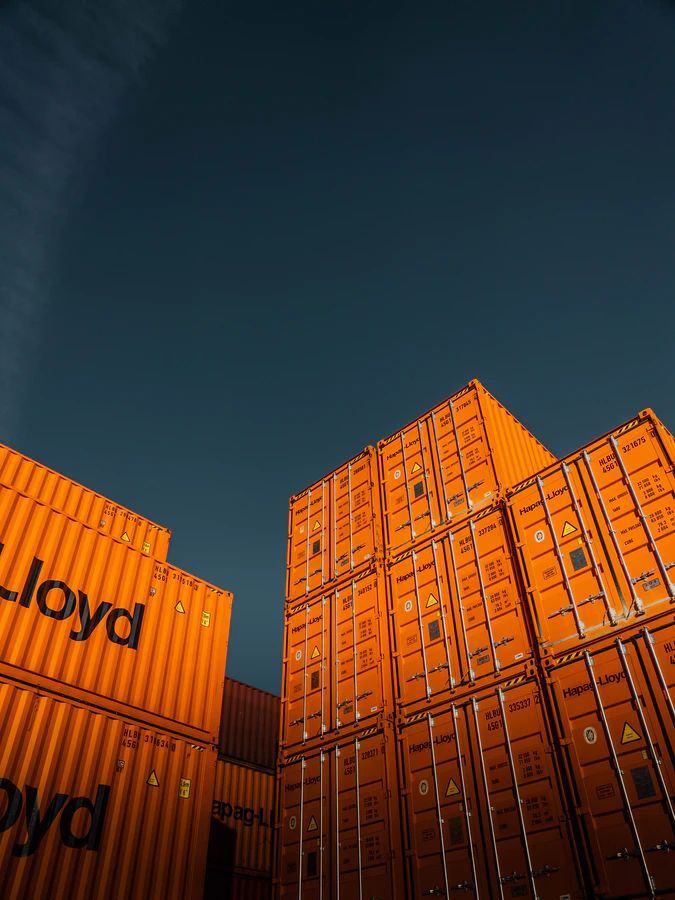
Do you know there are approximately 10,000+ shipping and 100,000+ freight forwarding companies in the world? With such a large number of firms, it is difficult for ordinary people to know the difference between shipping and freight forwarding companies.
If you are an individual, investor, or business owner, you must educate yourself on shipping knowledge, so you can stand apart from others. EM&S Global Logistics has launched this informative guide so you can get all the necessary information related to shipping and answers to common FAQs. In this article, we will discuss the difference between shipping and freight forwarding.
Need support handling your import or export logistics? EM&S Global Logistics provides full-scale freight forwarding services and integrated customs clearance to simplify your global trade supply chain.
A Look at the Basics
To get a better understanding of the difference between shipping and freight forwarding, you must know what shipping and freight forwarding are.
What is Shipping?
Shipping is not a singular concept, but has multiple perspectives. The term shipping in logistics means the process of moving any physical item, small or bulky, from one point to another. There are 4 main types of shipping:
- Sea Shipping
- Air Shipping
- Land Shipping
- Rail Shipping
What is a shipping company?
A shipping company is a business that specializes in moving physical items regardless of their size, typically by sea, but sometimes also by air or land, across international borders. These companies own or operate vessels (like cargo ships or tankers) that carry containers, bulk goods, oil, or other materials.
Their primary responsibilities include:
- Managing cargo transport logistics from port to port.
- Operating or leasing vessels & ensuring they meet safety and environmental standards.
- Coordinating with ports, customs, and regulatory bodies.
- Ensuring timely & efficient delivery of goods for clients.
What is Freight Forwarding?
Freight forwarding is the process of organizing and managing how goods are transported from one place to another. It includes every aspect, from choosing the right method of transport to handling paperwork and ensuring the shipment arrives on time and in good condition.
What is a freight forwarder or freight forwarding company?
A freight forwarder is an individual or a company that specializes in international trade and moves goods across borders for clients. They don’t own the trucks, ships, or planes themselves, but they work with all the companies that do (airlines, shipping lines, trucking companies).
Their primary responsibilities include:
- Organizing multi-modal transport and shipping options.
- Handling shipping and customs documentation.
- Managing customs clearance (e.g. via WeBOC in Pakistan).
- Offering cargo insurance, risk management, and cargo consolidation services.
Difference Between Shipping and Freight Forwarding
| Aspect | Shipping (Carrier) | Freight Forwarding |
|---|---|---|
| Definition | Transporting goods physically | Coordinating and organizing the shipment |
| Function | Physical delivery of boxes or containers | End-to-end logistics & supply chain management |
| Responsibility | Carrier moves the cargo from port to port | Forwarder organizes and oversees the journey |
| Documentation | Basic transport docs (Bill of Lading) | Full paperwork handling (invoices, custom filings) |
| Customer Involvement | More DIY (shipper books and clears customs) | More hands-off (forwarder manages details) |
| Flexibility | Limited options (strict carrier schedules) | Offers best-fit solutions from multiple lines |
| Value-Added Services | Rarely provided | Common (insurance, packaging, warehousing) |
In summary, shipping companies are responsible for the physical movement of goods while freight forwarders manage the entire logistics process from origin to destination. Freight forwarders don’t operate their own transport vehicles but work closely with carriers, customs agents, and warehouses to ensure smooth, compliant, and timely delivery.
For businesses seeking a more hands-off, flexible, and comprehensive solution, freight forwarders often provide greater value through added services like customs clearance, cargo insurance, warehousing, and route optimization. On the other hand, if you simply need to move goods from point A to B and can handle the logistics yourself, working directly with a shipping company might suffice.
The Role of EM&S Global Logistics as a Freight Forwarder
At EM&S Global Logistics, we specialize in providing reliable, end-to-end freight forwarding solutions tailored to your business needs. With years of industry experience, a global network of trusted carriers, and a dedicated team of logistics professionals, we ensure your shipments are handled with efficiency, transparency, and care. From customs clearance and documentation to multimodal transport and value-added services, we make it easier to fulfill your global shipping needs.
Ready to start? Contact EM&S Global Logistics for quality freight forwarding solutions at +92 327 2327357 or email us at sales@emsgloballogistics.com and experience the difference of working with a trusted logistics partner.